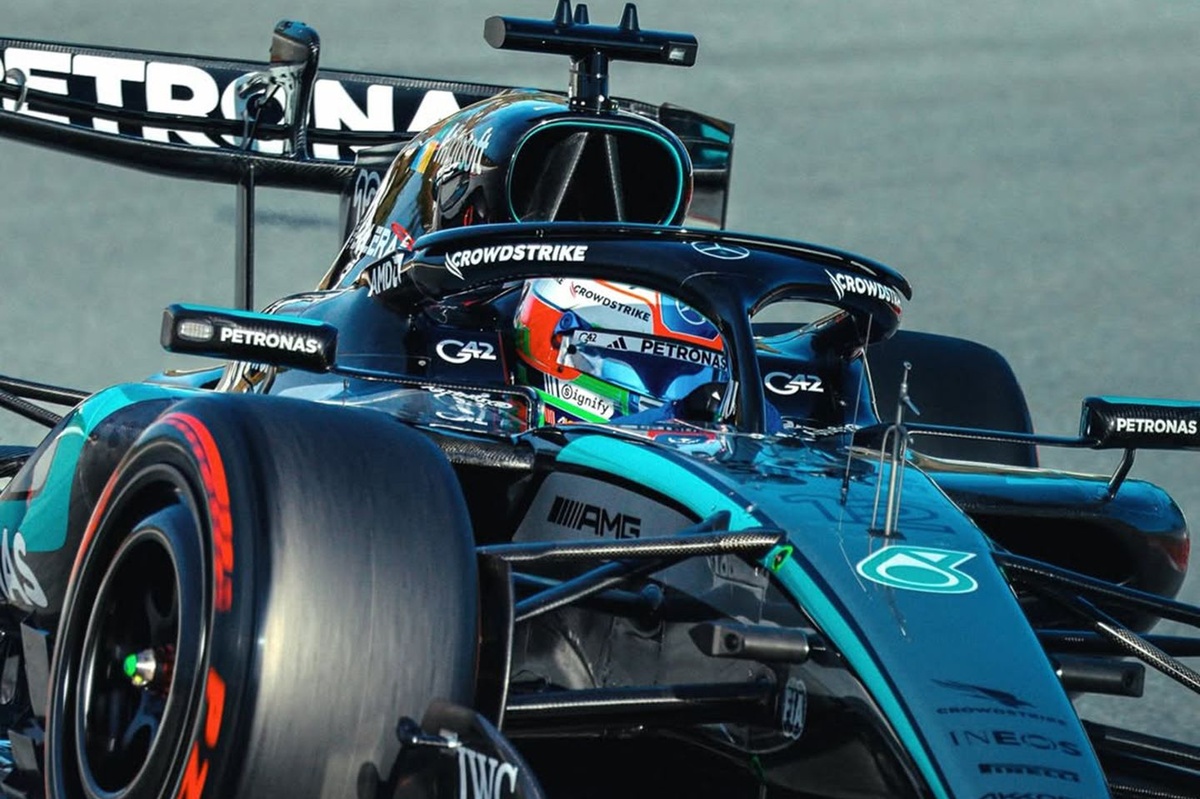
F1 is set to implement extensive regulation changes this year, fundamentally altering the way cars are designed and raced. These modifications aim to promote closer competition and enhance the spectacle for fans worldwide.
Andrea Antonelli, a prominent figure in motorsport, expressed his belief that these changes will particularly benefit younger drivers. He emphasized that the new regulations demand a different skill set, favoring those who are adaptable and quick learners.
The style required to race the new F1 cars will be vastly different from previous seasons. Drivers will need to master new aerodynamic principles, tire management techniques, and strategic approaches to overtaking and defending positions. This shift in racing dynamics is expected to level the playing field, giving an advantage to emerging talents who can quickly adjust to the evolving technical landscape.
Antonelli highlighted that younger drivers, often more receptive to technological innovations and new racing philosophies, are better positioned to capitalize on these changes. Their familiarity with modern training methods and data analysis tools could give them an edge in mastering the complexities of the revamped cars.
Furthermore, the regulation overhaul aims to reduce the dominance of established teams, fostering a more competitive environment. This scenario could open opportunities for younger drivers to showcase their skills and climb the ranks more rapidly.
As the season progresses, teams and drivers will need to adapt swiftly to the new regulations to remain competitive. The changes are expected to influence race strategies, car setups, and overall performance, making this a pivotal year for emerging talents in Formula 1.
In conclusion, Antonelli's perspective underscores the potential for these regulation changes to reshape the competitive landscape of F1, providing a platform for younger drivers to demonstrate their abilities and possibly secure more podium finishes in the near future.